
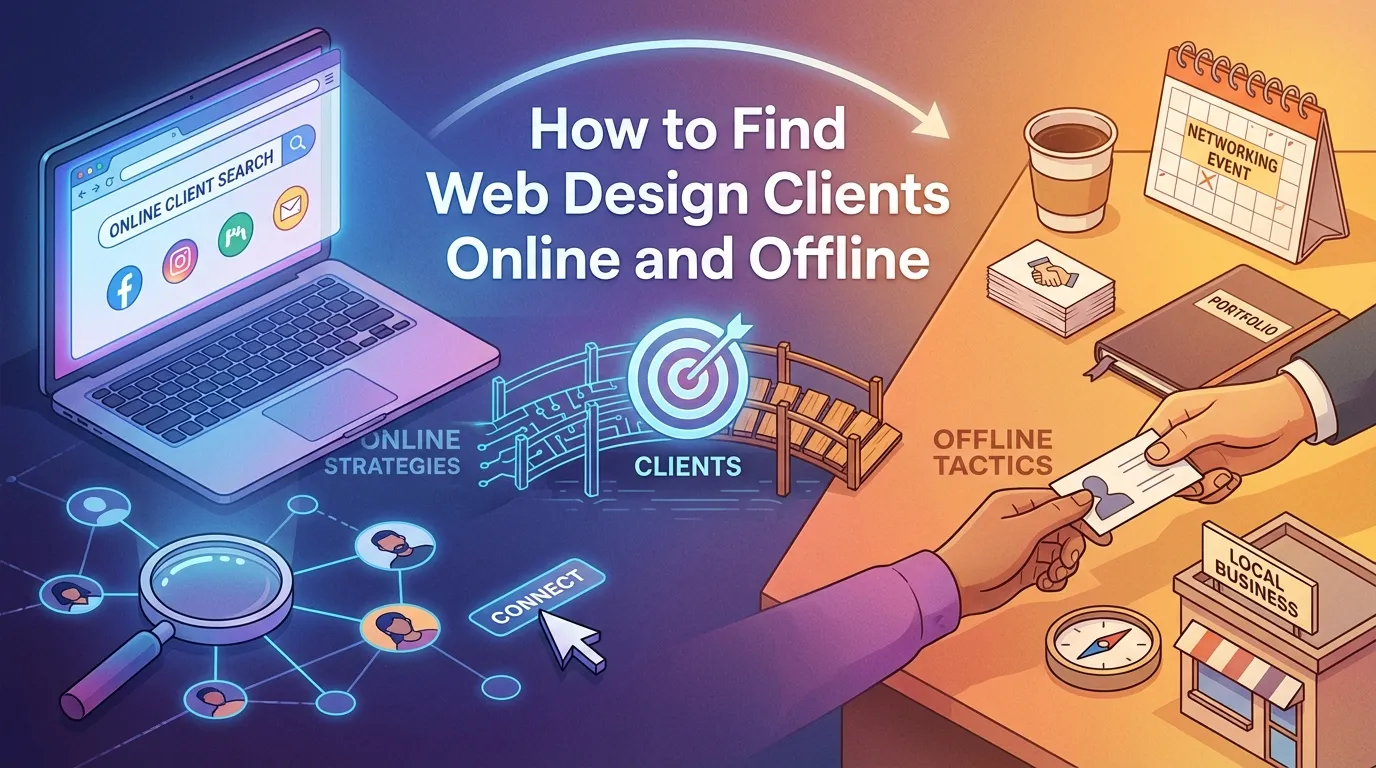
The best way to get noticed as a web designer is to take action. You can use targeted outreach, online platforms, networking, and a strong reputation to stand out. Many designers struggle with competition, low visibility, or feeling lost at the start. If you want to learn how to find web design clients, you need the right strategies and a willingness to try new things.
Ready to grow your client list? Let’s get started!
Why Web Designers Struggle to Get Clients
Common Challenges
You might feel excited to start your journey as a new web designer, but finding web design clients can feel overwhelming. Many designers face the same roadblocks when trying to grow their business. Here are some of the most common challenges you might encounter:
-
Building a client base from scratch takes time and patience.
-
Developing a compelling portfolio can seem tough if you have few projects.
-
Collecting testimonials feels tricky when you are just starting out.
-
Defining your target audience is not always clear at first.
-
Creating valuable content that attracts web design clients requires effort and planning.
-
Utilizing a referral network can be difficult if you do not know where to begin.
You are not alone if you struggle with these issues. Many designers face them early in their careers. The good news is that you can overcome each challenge with the right approach and a bit of persistence.
Mistakes to Avoid
When you want to attract web design clients, avoiding common mistakes can make a big difference. Many designers lose potential clients because of simple errors. Watch out for these pitfalls:
-
Slow loading times drive visitors away to faster sites.
-
A lack of mobile optimization frustrates users and hurts your reputation.
-
Confusing navigation makes it hard for visitors to find what they need.
-
Not prioritizing user needs leads to a poor online presence.
-
Bad navigation causes 37% of users to leave a site.
-
Even a one-second delay in loading time can reduce conversions and satisfaction.
-
Poor mobile experiences result in lost visitors and revenue.
You should also pay attention to how you present testimonials. The table below shows what works best:
|
Key Point |
Explanation |
|---|---|
|
Balance in Testimonials |
Too few testimonials may suggest a lack of success, while too many can overwhelm visitors. |
|
Substance in Testimonials |
Testimonials should be detailed and credible to be effective. Vague testimonials can be perceived as fake. |
|
Relevance to Audience |
Testimonials should come from relatable figures to resonate with the target audience. |
When you avoid these mistakes, you set yourself up for more success in finding web design clients.
How to Find Web Design Clients Online
Finding web design clients online can feel like a big challenge, especially if you are a new web designer. You might wonder where to start or which platforms work best. Let’s break down how to find web design clients using proven online strategies.
Freelance Platforms and Industry Directories
You can kick off your search for web design clients by joining popular freelance platforms. These sites connect you with people looking for your skills. Here are some of the most popular options:
-
Fiverr: This platform is great for small businesses and lets you offer services starting at $5. You can set up a profile and list your web design packages.
-
Freelancer.com: With over 55 million users, this global platform allows you to bid on jobs or let clients find you.
-
Upwork: Known for its professional feel, Upwork is the largest freelancing platform. You can apply for projects that match your skills and build long-term relationships.
-
Dribbble: If you want to showcase your work in a simple, visual format, Dribbble is a good choice. It’s invite-only, so you’ll need to get an invitation to join.
-
Behance: Run by Adobe, Behance lets anyone post their work. You can use its features to make your projects stand out.
Industry directories also play a big role in how to find web design clients. These directories help you get noticed by people searching for web design services. Here’s why they matter:
-
They boost your visibility, making it easier for clients to find you.
-
Directories build your credibility with client reviews and detailed profiles.
-
Many directories use smart matching tools to connect you with the right clients.
If you want to grow your freelance business, setting up profiles on these platforms and directories can help you reach more web design clients.
Social Media and Content Marketing
Social media is a powerful tool for how to find web design clients. You can use different platforms to connect with potential clients and show off your skills.
Here’s how each platform can help: You don’t have to use every platform at once. Pick one or two that fit your style and audience. Post your work, share tips, and join conversations. This helps you build trust and attract web design clients who like your approach. Content marketing is another smart way to get noticed. You can write blog posts, create videos, or share case studies about your projects. This shows your expertise and helps people find you when they search for web design help.
A strong portfolio website is key for inbound leads. Take a look at how a good portfolio site can help you:
|
What Your Portfolio Does |
How It Helps You Get Clients |
|---|---|
|
Shows your range and attracts the right clients |
Brings in new business that matches your skills and goals |
|
Uses clear calls to action and testimonials |
Makes it easier for visitors to contact you and become paying clients |
|
Follows SEO best practices |
Improves your ranking in search engines, so people looking for web design solutions find you |
|
Shares real project results and case studies |
Builds trust and shows you can deliver results |
If you want to attract web design clients, keep your portfolio updated and easy to navigate. Make sure it highlights your best work and includes ways for people to reach out.
Cold Outreach and Inbound Leads
Sometimes, you need to take the first step and reach out to potential web design clients. Cold outreach means contacting businesses or individuals who might need your services, even if they haven’t asked for help yet. Here’s how you can do it:
-
Find local businesses that have outdated websites or no online presence.
-
Write a short, friendly email explaining how you can help improve their site.
-
Personalize each message so it doesn’t feel like spam.
-
Follow up if you don’t hear back after a few days.
You can also use inbound leads to grow your client list. Inbound leads come from people who find you through your website, social media, or content. To boost your inbound leads, focus on local SEO. Local SEO helps you show up in searches from people nearby. Here’s why it matters:
-
46% of all Google searches look for local information.
-
76% of people who search locally on their phones visit a business within a day.
-
Nearly 29% of local searches lead to a purchase.
When you optimize your online presence for local searches, you make it easier for web design clients in your area to find you. This can lead to more meetings, more projects, and more growth for your freelance business.
If you want to know how to find web design clients, try a mix of these online strategies. Use freelance platforms, build a strong portfolio, engage on social media, and reach out to potential clients. Stay consistent, keep learning, and you’ll see your client acquisition improve over time.
How to Get Web Design Clients Offline
You might think that everything happens online these days, but learning how to get web design clients offline can open up new opportunities. Meeting people face-to-face, building trust, and showing your personality can make a big difference. Let’s look at some practical ways you can connect with web design clients in your local area.
Networking Events and Meetups
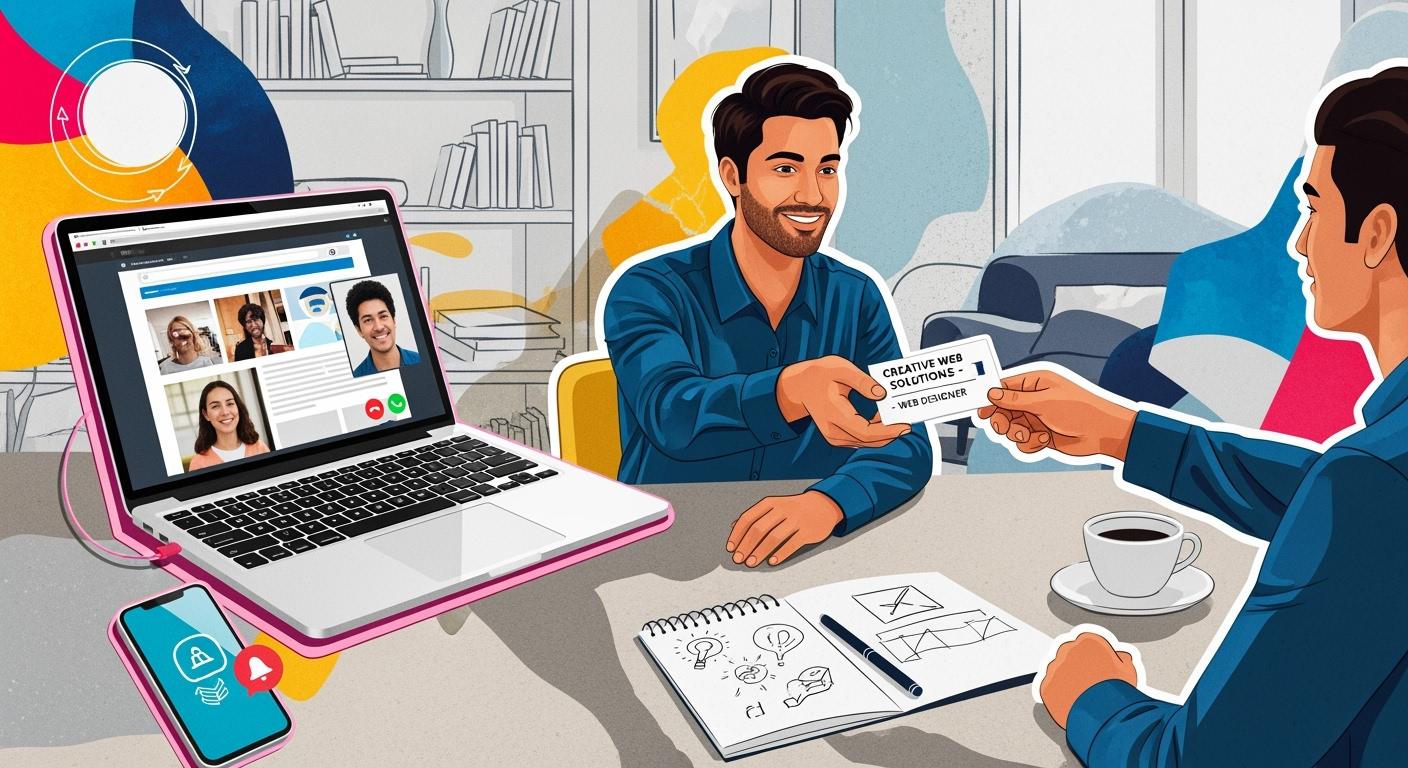
Attending networking events and meetups gives you a chance to meet potential web design clients in person. You can shake hands, share ideas, and build relationships that last. These events come in many forms, like local business mixers, tech conferences, or creative workshops. You don’t need to be an expert networker to get started. Just show up, listen, and offer help where you can.
Here’s what you gain from networking events:
-
Face-to-face interaction helps you build trust quickly.
-
You find chances for collaboration and partnerships.
-
Your brand gets noticed by people in your industry.
-
You learn what local businesses need and how you can help.
Of course, networking takes time and effort. Sometimes, you might not see results right away. The number of leads you get depends on your skills and the event’s attendance. Focus on adding value first. Ask questions, share advice, and look for ways to help others. Target niche markets if you want to attract web design clients who fit your style.
Building long-term relationships works better than chasing quick wins.
Referrals and Local Partnerships
Referrals are one of the most powerful ways to learn how to get web design clients. When someone recommends you, their friends and colleagues trust you more. You can set up a referral program that rewards people for sending new web design clients your way. This could be a discount, a small gift, or even a free consultation.
Check out these stats about referrals:
|
How Referrals Help You Get Web Design Clients |
Value |
|---|---|
|
Customers acquired through referrals |
37% higher retention rate |
|
Referred customers |
16% higher lifetime value |
|
Referred leads |
2x more likely to convert |
|
B2B decision-makers starting with a referral |
84% |
You can also form partnerships with local businesses that don’t compete with you. For example, team up with a marketing agency, a print shop, or a photographer. You can co-host webinars, write guest blog posts, or create joint referral programs. These alliances help you reach the same clientele and grow your reputation in the community.
Leveraging Friends and Family
If you’re a new web designer, your friends and family can be your first source of web design clients. Many designers start out by building websites for people they know. This gives you a low-pressure environment to practice your skills and see if web design is the right path for you.
Here’s why this approach works:
-
Friends and family trust you, so they’re more likely to give you a chance.
-
You get honest feedback that helps you improve.
-
You build a portfolio with real projects.
-
You learn how to communicate with clients in a safe setting.
Most designers remember doing their first few projects for family members. The goal isn’t just to make money. You want to learn, grow, and decide if you enjoy working with web design clients. These early experiences help you build confidence and prepare for bigger projects. If you want to know how to get web design clients offline, start with your personal network. Attend local events, set up referral programs, and partner with businesses in your area. Use every conversation as a chance to show your skills and offer value.
Offline strategies help you stand out and build lasting relationships that support your client acquisition journey.
First Client Tips and Marketing Yourself
Landing your first client can feel like a huge challenge, but you have more options than you think. If you want to attract web design clients, start with a few simple steps that build your confidence and show off your skills.
Building a Portfolio Website
You do not need a long list of past projects to impress web design clients. Create work for an imaginary client or design a mock website for a fictional business. This lets you fill your portfolio with real examples, even if you have not worked with paying clients yet. You can also offer to build a simple site for a friend or a local business in exchange for a testimonial. Keep your designs clean and easy to use. Focus on showing how you solve problems for web design clients.
A strong portfolio does more than look good. It shows your process, your results, and your reliability. Here are some things to include:
-
Case studies with specific outcomes, like more leads or faster site speed.
-
Client feedback that highlights your communication and ability to meet deadlines.
-
Clear project phases that show how you manage work from start to finish.
Setting Rates and Closing Deals
Setting your rates can feel tricky when you are looking for your first client. You want to be fair, but you also want to show the value of your web design services. Here are some common pricing strategies:
|
Pricing Strategy |
Description |
|---|---|
|
Project-Based Pricing |
Charge for the whole project, not by the hour. |
|
Tiered Packages |
Offer different service levels at different prices. |
|
Value-Based Pricing |
Set prices based on the results you deliver to web design clients. |
|
Bundling |
Combine services to give more value. |
|
Subscription Models |
Charge a monthly fee for ongoing work. |
|
Retainers |
Set up ongoing agreements for steady income. |
Start with simple projects and adjust your rates as you gain experience. Always explain your pricing clearly so your first client knows what to expect.
Showcasing Testimonials and Case Studies
Testimonials and case studies help you build trust with web design clients. Many people check reviews before making a decision. In fact, 41% of U.S. consumers look at online reviews before buying, and nearly 20% trust customer reviews as much as personal recommendations.
-
Share detailed testimonials that talk about your reliability and results.
-
Use case studies to show how you solved a problem for your first client.
-
Highlight any measurable results, like increased sales or better site performance.
When you combine a strong portfolio, clear pricing, and real feedback, you make it much easier to win over your first client and start building a steady stream of web design clients.
You have plenty of ways to find web design clients, both online and offline. Define your ideal client, build a strong website, and use social media to connect. Host workshops or attend events to meet web design clients in person. Stay persistent—most people give up too soon, but real results come with consistent effort. Pick one or two strategies, stick with them, and watch your list of web design clients grow. Ready to start a new project? Reach out and make your next connection today!
FAQ
How long does it take to get your first web design client?
You might land your first client in a week, or it could take a few months. Consistency matters most. Keep reaching out, updating your portfolio, and networking. Every effort brings you closer.
What is the best way to stand out from other web designers?
Show your unique style in your portfolio. Share real results and testimonials. Offer a free consultation or a small audit. Clients notice when you go the extra mile.
How many clients can you handle at once?
Most web designers manage 2–5 clients at a time. It depends on project size and your schedule. Here’s a quick breakdown:
|
Experience Level |
Clients Managed |
Typical Project Size |
|---|---|---|
|
Beginner |
1–2 |
Small |
|
Intermediate |
2–4 |
Medium |
|
Advanced |
4–6 |
Large |
Do you need a formal degree to get web design clients?
No, you do not need a degree. Clients care more about your skills, portfolio, and results. Many successful designers are self-taught.
What should you do if a client rejects your proposal?
Thank them for their time. Ask for feedback to improve your next pitch. Stay positive and keep moving forward. Every “no” brings you closer to a “yes.”